Premiere of the documentary film investigations about glaciers in AUCA
March 5, 2026
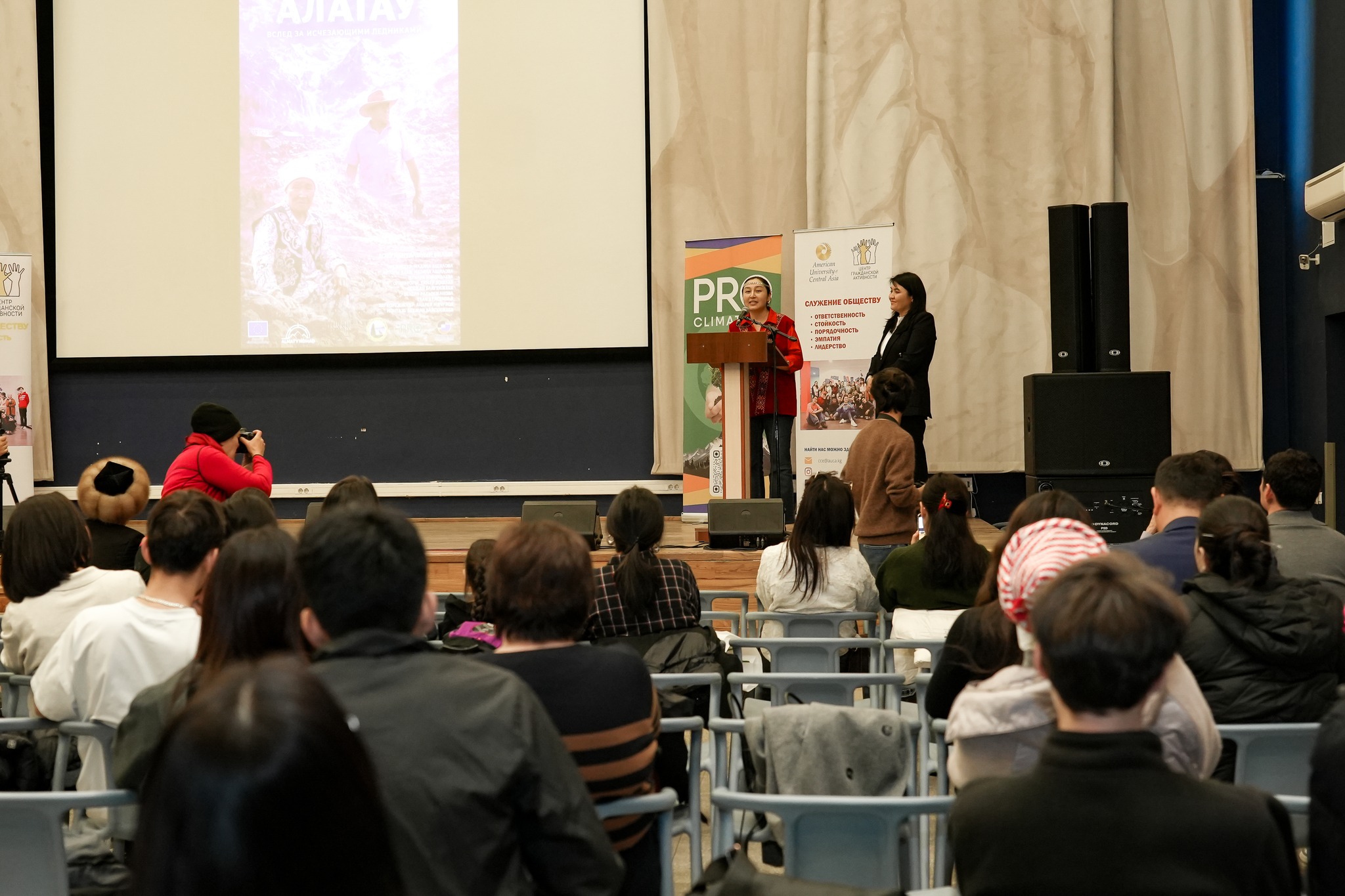
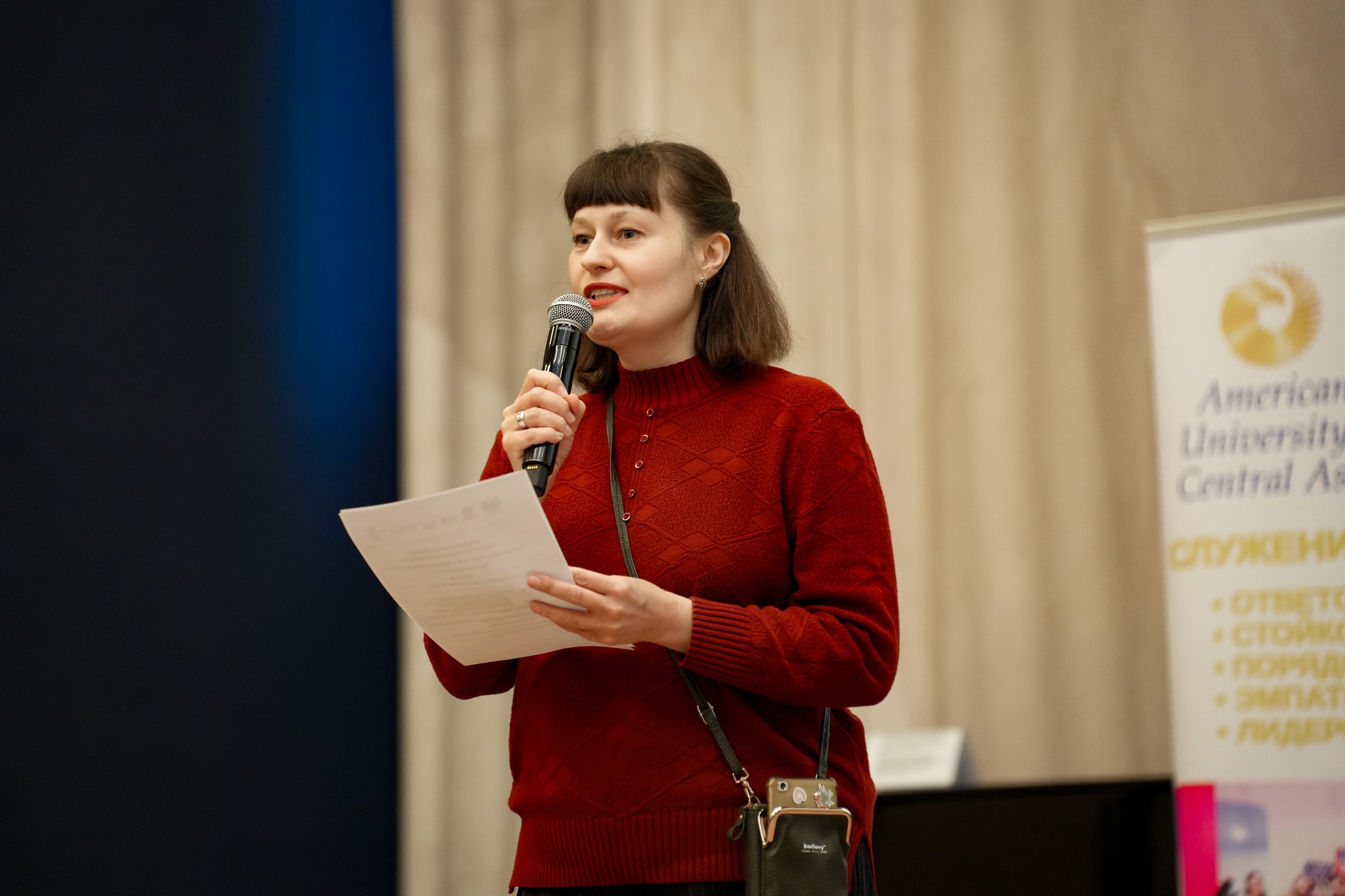
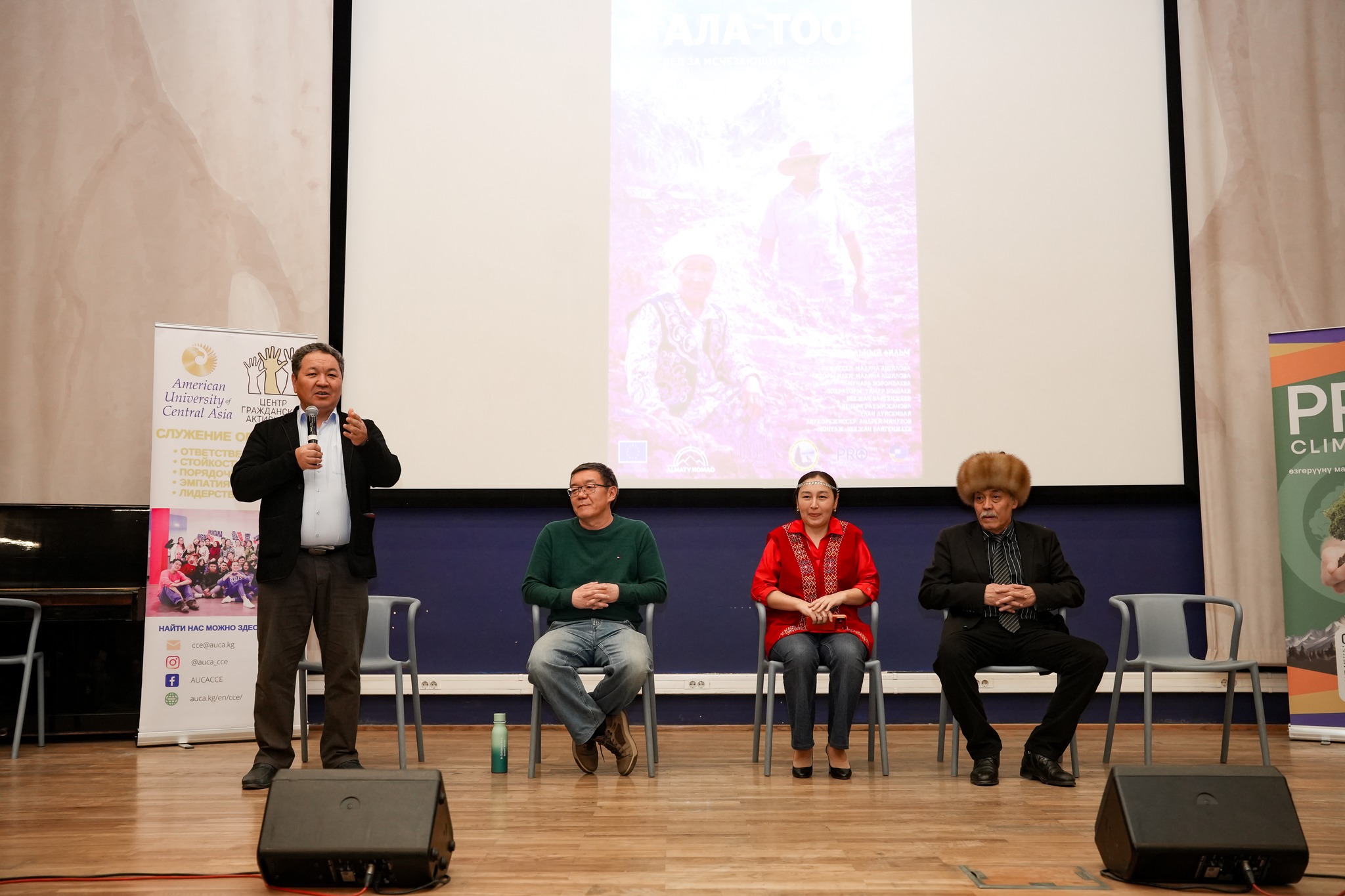
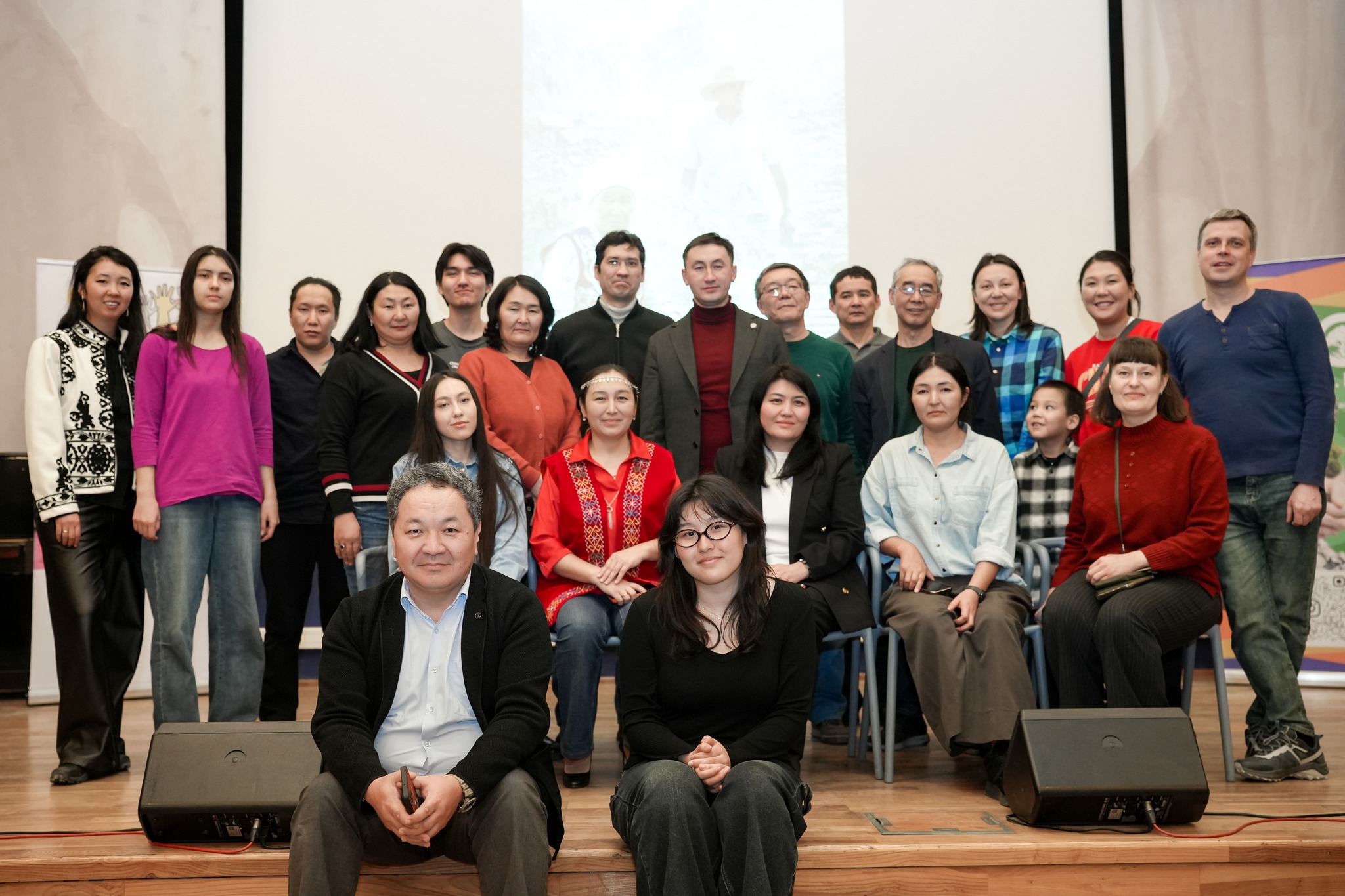
On February 26, the premiere of the documentary "Alatau: Following the Disappearing Glaciers" was held at the American University of Central Asia. In addition to AUCA students and teachers, the event was attended by students and schoolchildren from other educational institutions, environmentalists, eco-activists, representatives of NGOs and international environmental organizations, local "green" business and the media, as well as everyone who cares about environmental issues, in particular the melting of glaciers and the preservation of clean drinking water in the region.
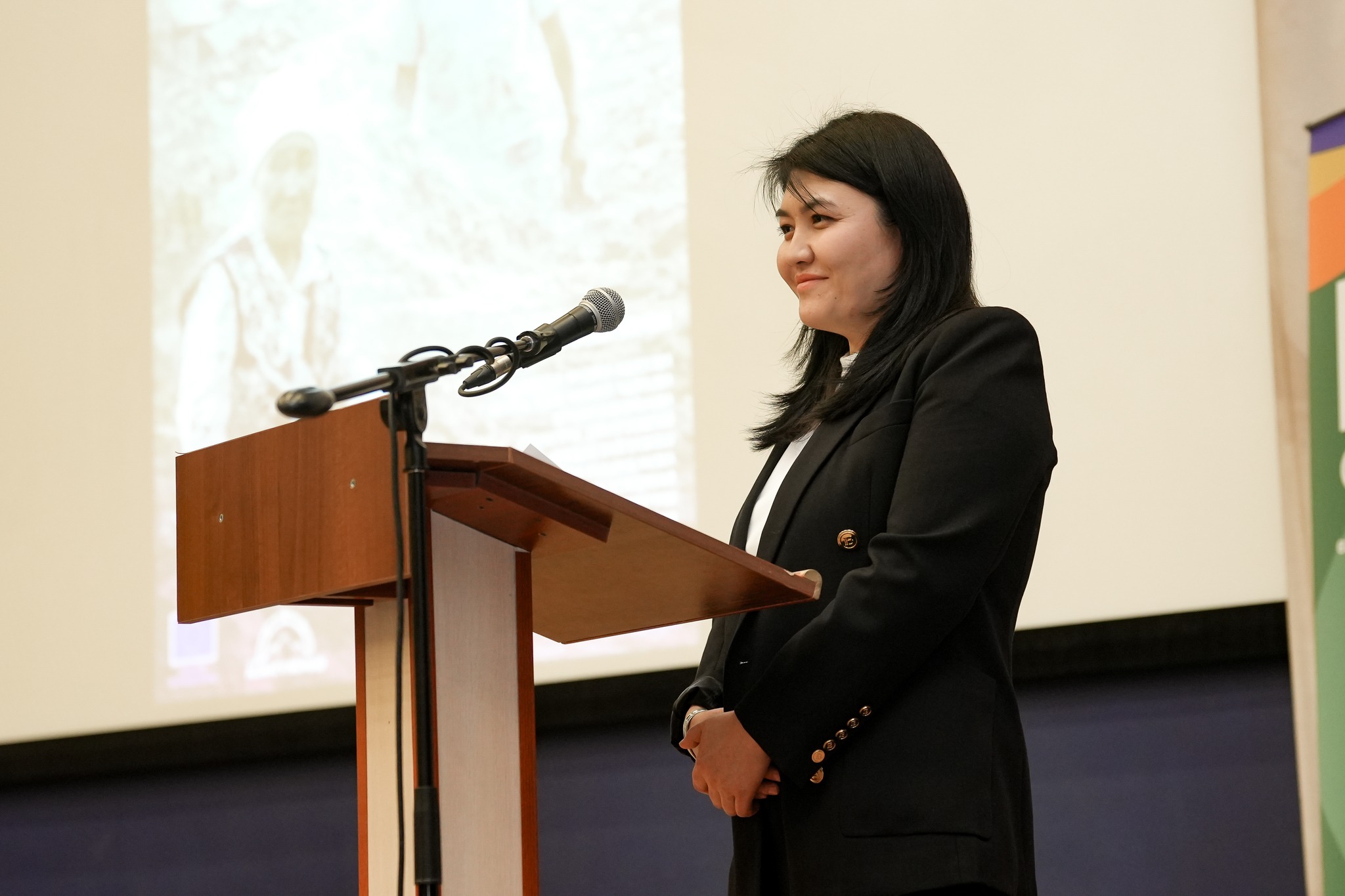
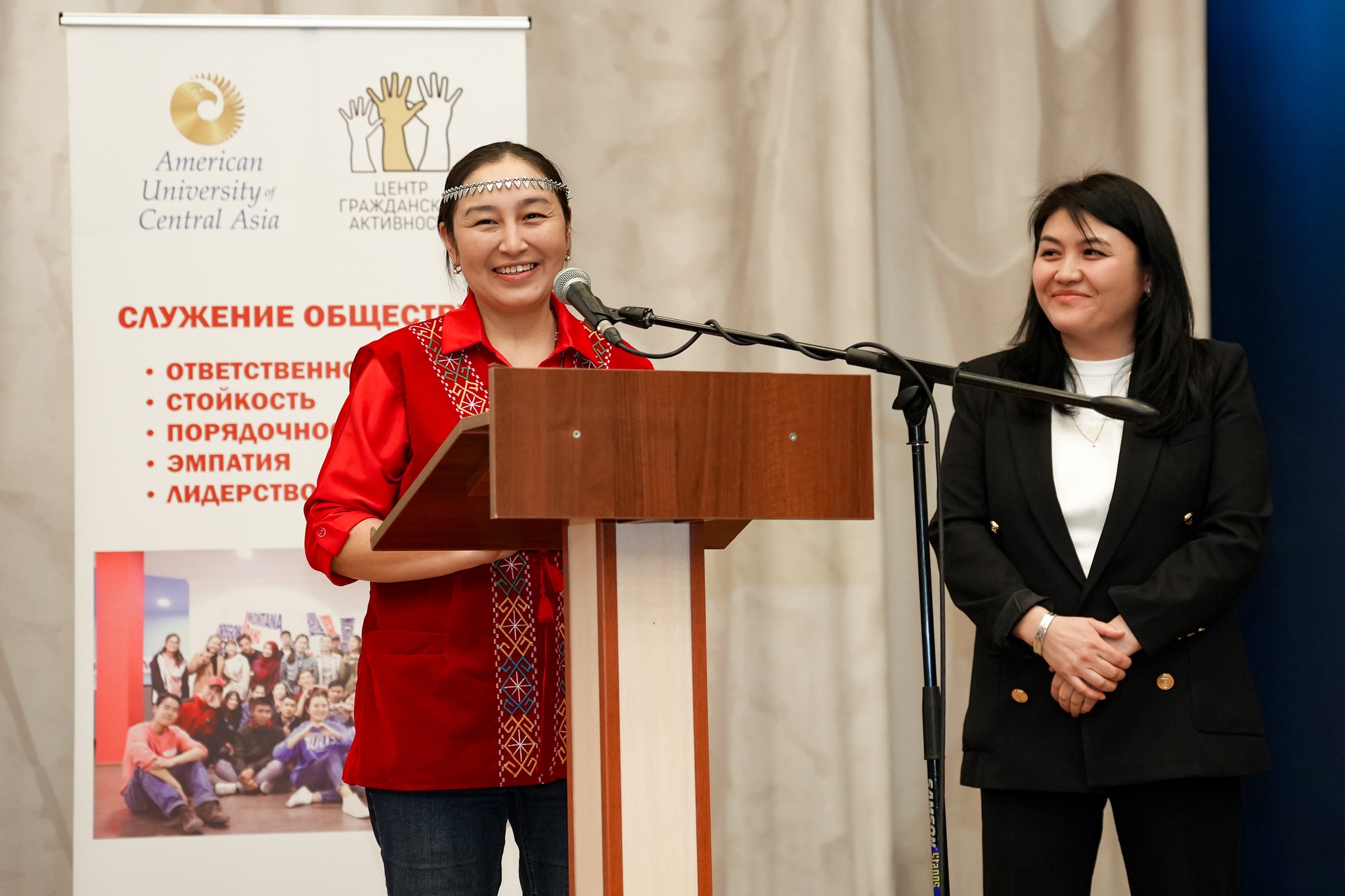
Two journalists from Kyrgyzstan and Kazakhstan presented the film from the stage. Madina Ashilova is the author of the idea and director of the film, from Kazakhstan. Munara Borombaeva, a Kyrgyz eco-journalist, acted as a co-author of the idea and editor of the project. The film itself is a journalistic investigation with an emphasis on offering solutions to the problem from environmentalists in Kyrgyzstan and Kazakhstan.
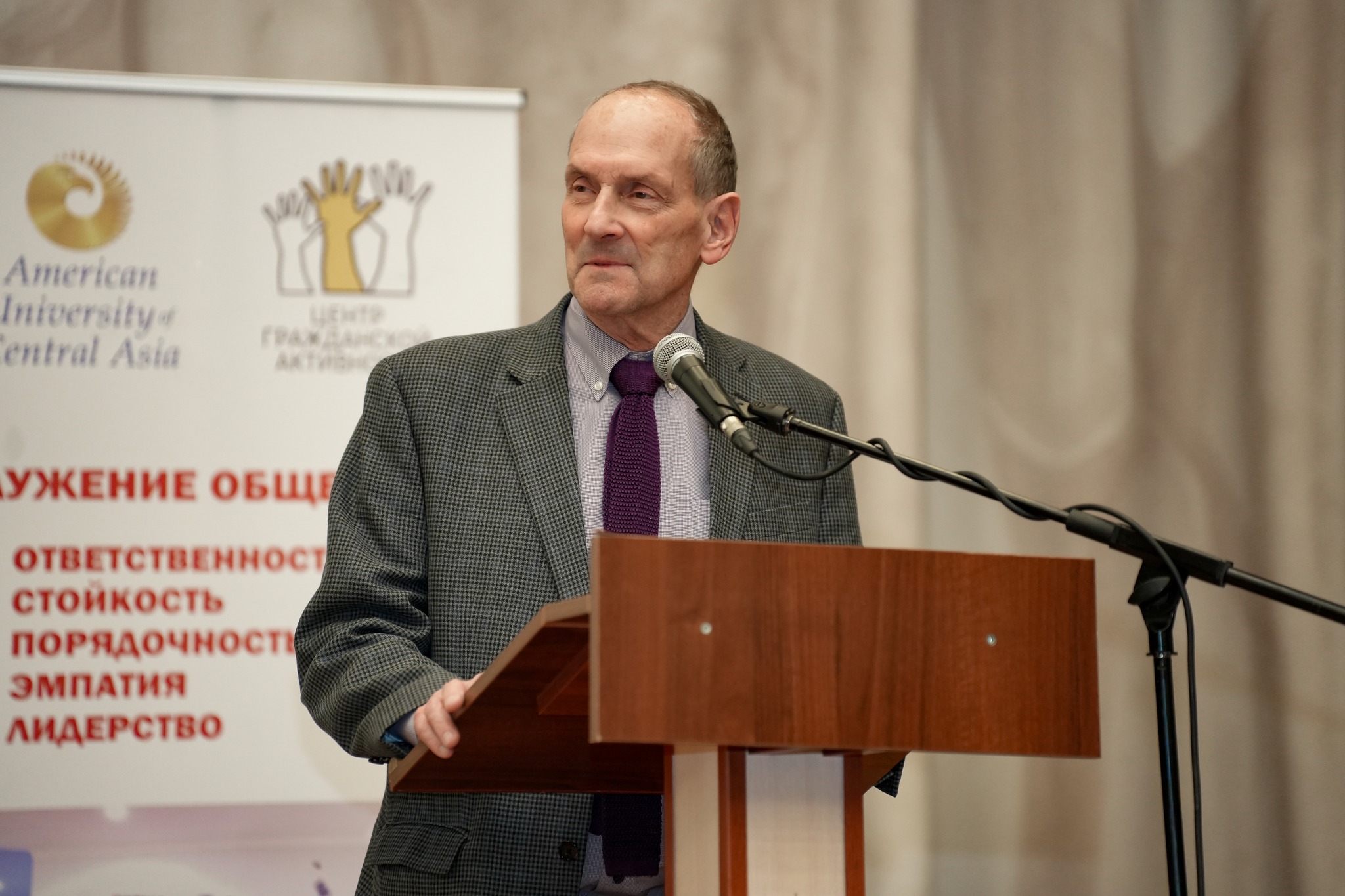
AUCA President Timothy O'Connor greeted the audience. In his speech, he noted that climate change and the melting of glaciers already require serious attention from society.
"For AUCA as a university community, such initiatives are of particular importance. The university environment creates the conditions for a meaningful conversation about the challenges facing our society. Environmental challenges do not recognize state borders, and that is why regional cooperation, exchange of experience, and open conversation between science, civil society, and government institutions are so important," the AUCA President said, wishing everyone a thoughtful discussion after watching the film.
The Center for Civic Engagement AUCA, the Green AUCA program, organized the premiere screening of the film.
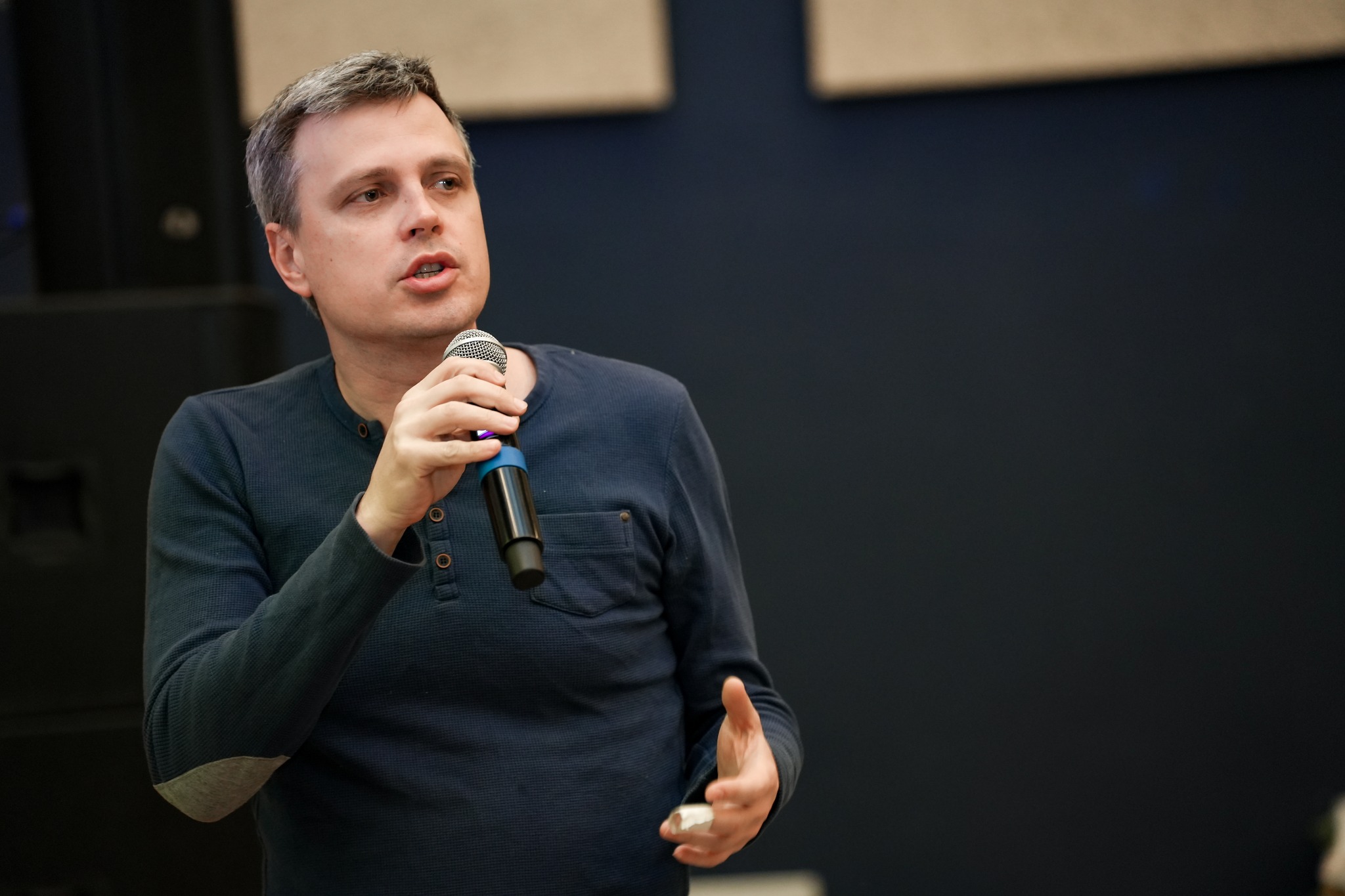
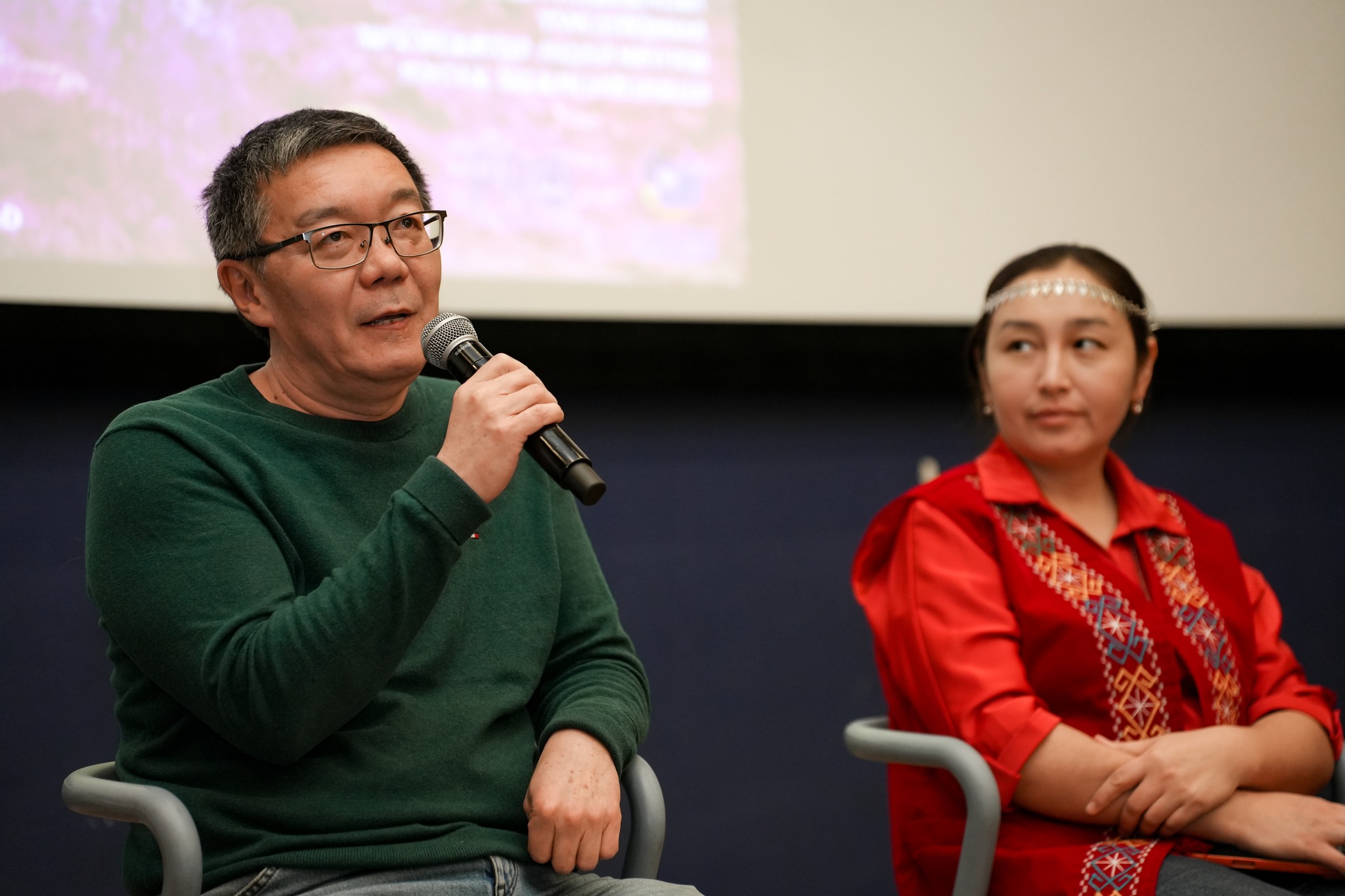
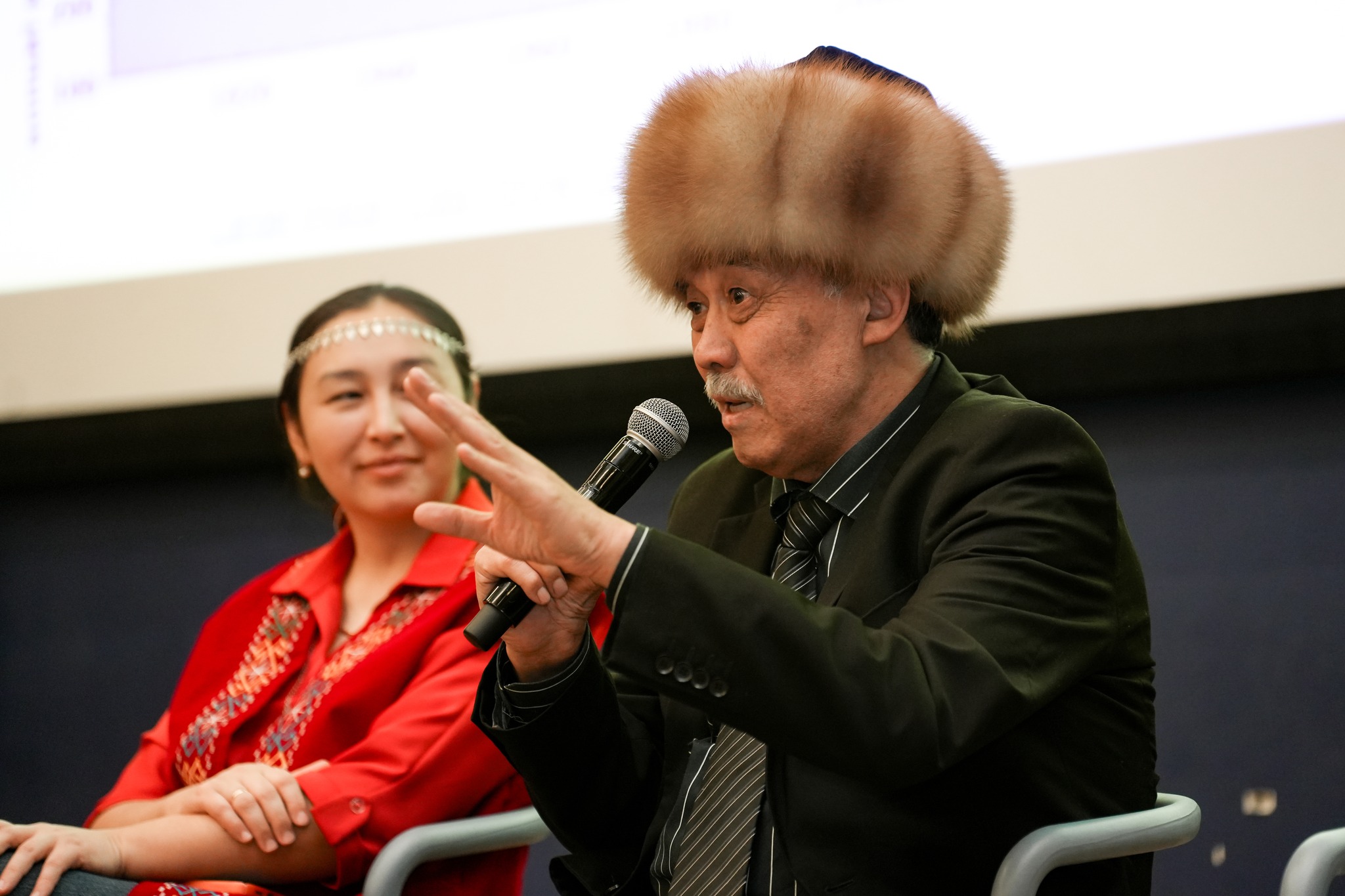
A special place in the film was occupied by the opinions of glaciologists and ecologists from both countries. Their long-term observations of glaciers and research gave the film scientific depth and emphasized the seriousness of the changes taking place. The film was remembered for live interviews and real-life footage of people in villages and mountainous areas. The focus was not only on scientific data, but also on human stories – the fates of families facing droughts, the threat of mudflows and water shortages. The authors of the film interviewed a climate migrant, farmers, an eco-journalist, a deputy of the Mazhilis of Kazakhstan, and environmentalists. The film tells about modern "green" technologies aimed at slowing down the process of melting glaciers, which are already being used in different countries, including those that have begun to appear in our country. An open discussion took place after the screening. The audience actively shared their impressions, asked questions and gave comments. Some noted that the film lacked more statistical data and specific figures, while others pointed to individual moments that, in their opinion, could have been revealed more fully. Despite the different opinions, the discussion turned out to be lively and informative which showed a high level of audience engagement, and also that the topic of the film is very relevant for our countries, and more and more residents understand this. During the conversation, the participants exchanged contacts, uniting around a common interest in environmental issues.
This indicates that such events can not only inform, but also form new professional and social connections and, possibly, new future events and projects.
At the end of the event, words of gratitude were expressed to the creators of the documentary - for the work done, the courage to raise difficult topics and the contribution to the development of environmental journalism in the region.